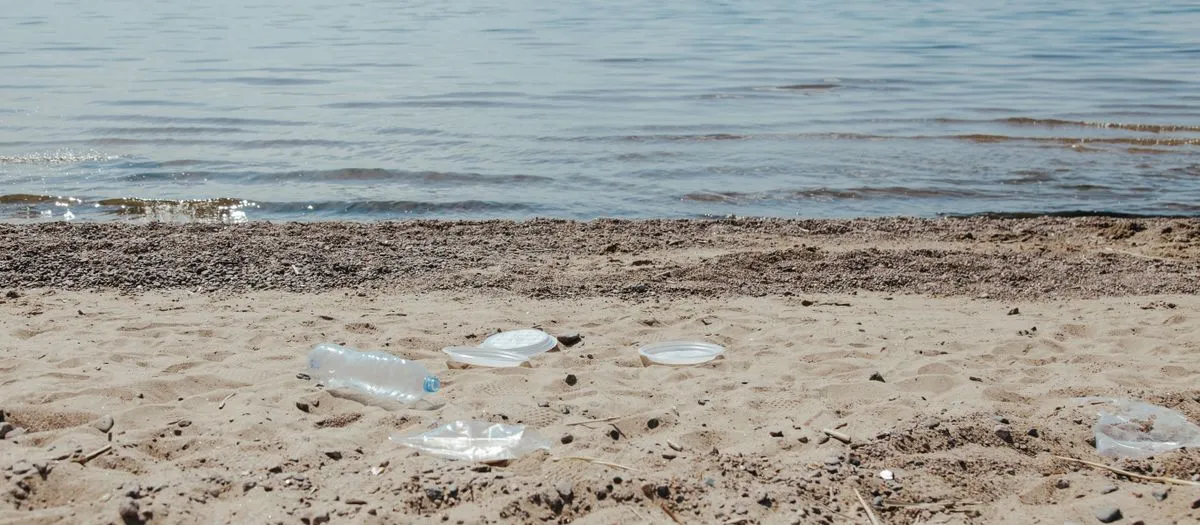
Take Bin Bags To The Beach Or River
You're going to the water anyway - come back with a bag full and stop it reaching the sea.
- Cost
- Free
- Time
- 60-90 min
- People
- Solo / Duo, Small Group (3-6), Large Group (7+)
- Where
- Park / Outdoor
- Bring
- Bin bags and gloves
Why this matters
Rivers are the main route by which land-based plastic reaches the ocean, so litter picked up on a riverbank is litter that never becomes marine debris. Coastal and waterside rubbish also kills wildlife directly - birds and fish ingest fragments or get entangled. Waterside litter tends to accumulate in predictable spots, so an hour in the right place removes a lot.
How to do it
Same principle as picking up litter on a hike, but waterside locations are worth prioritising because of where the rubbish ends up if you don't.
Take bags and gloves whenever you're heading to a beach, lake or river. Do the swim, the picnic, the walk - and fill a bag on the way back.
Where to focus: - The high-tide line on beaches, where debris accumulates in a visible band - Riverbanks just downstream of bends, bridges and weirs, where flow deposits everything - Around benches, car parks and access points, where most of it originates - Vegetation at the water's edge, where plastic bags and bottles get caught
Safety notes that matter more here than on a hike: - Watch tides. It's easy to get cut off working along a beach with your head down. - Don't go into the water or onto steep, wet banks for an item. Ever. - Fishing line and hooks are common and dangerous - use gloves, and be careful. - Leave anything medical, chemical or unidentifiable and report it.
If you do this regularly at the same spot, some organisations will take your data on what you find, which feeds into research on where pollution actually comes from.