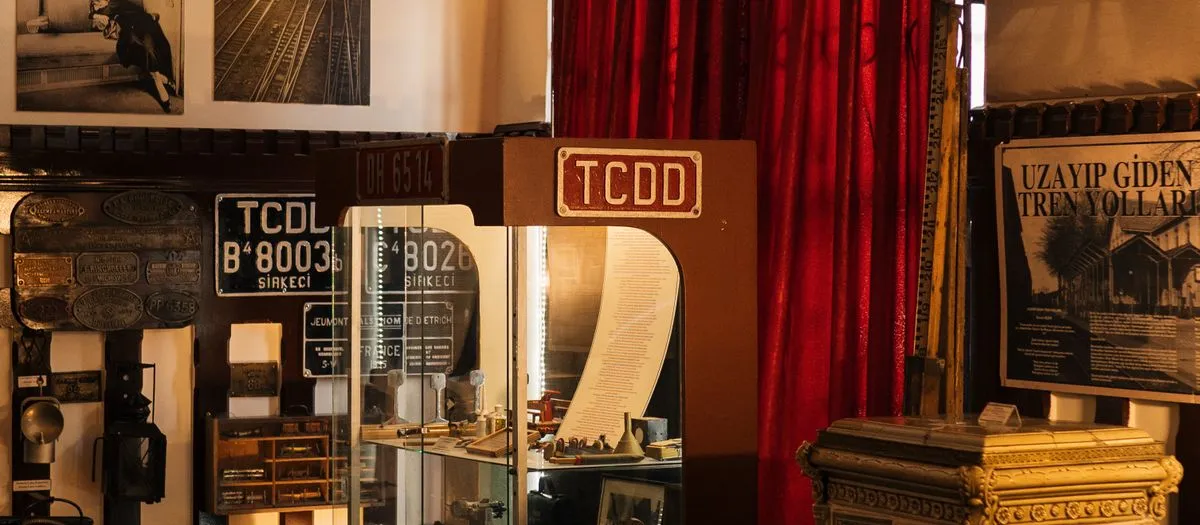
Visit A Small Local Museum
Spend an afternoon at the tiny museum you've driven past a hundred times - the ones that survive on visitor numbers alone.
- Cost
- Free / Under £20pp
- Time
- Half-day
- People
- Solo / Duo, Small Group (3-6), Large Group (7+)
- Where
- Community Org
- Bring
- Nothing in particular
Why this matters
Small independent museums and local history collections are almost entirely volunteer-run and survive on visitor numbers, small donations and grant applications that depend on demonstrating footfall. They hold the records and objects that no national institution will ever collect. When they close, that material is usually dispersed or lost outright.
How to do it
Find the small museum near you that you've never been to. Every area has one: a local history collection, a single-subject museum in an odd building, a heritage railway, a mill, a village archive.
Go on a weekend afternoon and take people with you.
What actually helps them: - Pay the entry fee even if it's donation-based, and put more in the box than you think is normal. These places run on very small margins. - Buy something in the shop or café if there is one. That's often where the actual income is. - Talk to the volunteers on the desk. They usually know an extraordinary amount and rarely get asked. This is by far the best part of the visit. - Leave a review and post about it. Discoverability is their biggest problem - most people don't know these places exist. - Ask whether they need volunteers, or help with anything specific. Small museums frequently need someone who can build a website, catalogue a collection, or just staff a desk.
Go in expecting something idiosyncratic rather than polished. The appeal of these places is that they're specific - somebody's life's work about one narrow thing - and that's exactly what the big institutions can't do.