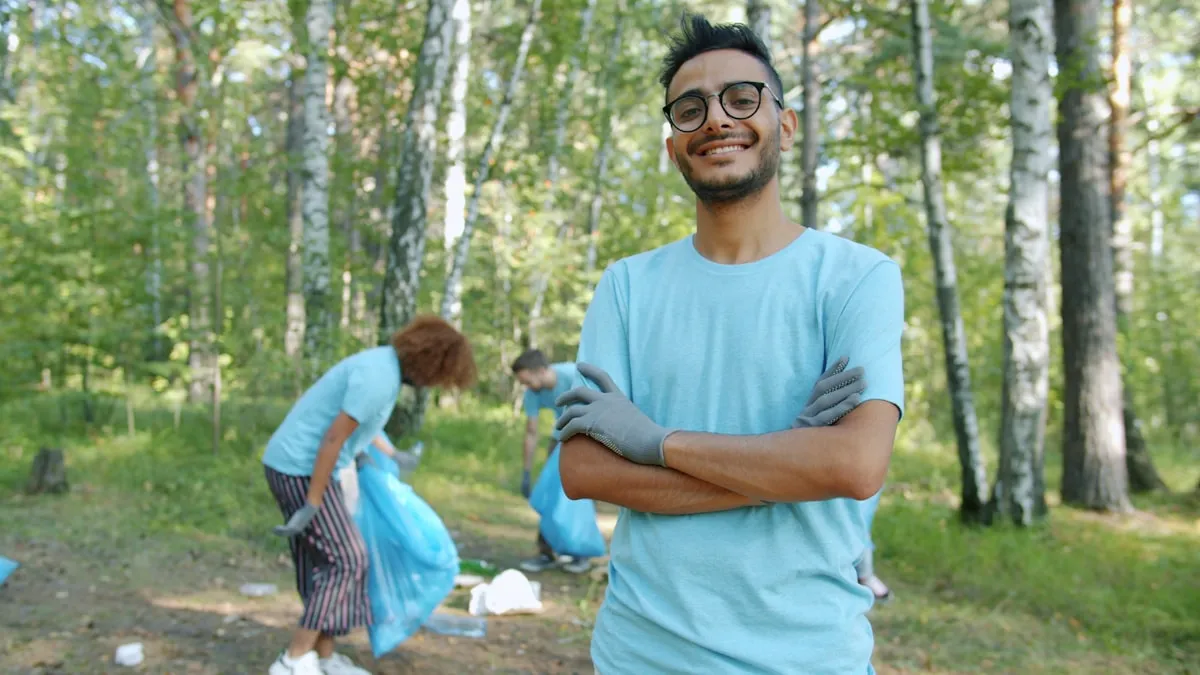
Becoming a plastic-free champion
Prepared, informed, proactive, reactive — four small habits that add up to a genuinely different relationship with plastic waste.
Most plastic-free advice is either abstract (“reduce your footprint”) or all-or-nothing (a full zero-waste lifestyle overhaul). Neither actually changes what you do on a Tuesday. What’s worked better for me is thinking about it in four smaller modes, and picking off one at a time rather than trying to do all of it at once.
Prepared means the boring, unglamorous setup that makes everything else easier — bin bags folded into every backpack, so a walk can turn into a cleanup without any planning. Informed means actually knowing where the plastic sneaks in, which a plastic-free picnic makes obvious fast — you’ll be surprised what turns out to be avoidable once you’re paying attention, and what turns out to be genuinely hard. Proactive and reactive are two sides of the same coin: proactive is picking up litter as part of a hike you were doing anyway; reactive is doing it because you happened to walk past a park that needed it.
None of this requires becoming the person who lectures people about straws. It’s mostly just carrying the right two-pound item and noticing a bit more than you used to.
A few places to start:
Featured activities

Run A Plastic-Free Picnic
Everyone brings food with zero single-use plastic. Harder than it sounds, and you'll learn a lot about what you buy.
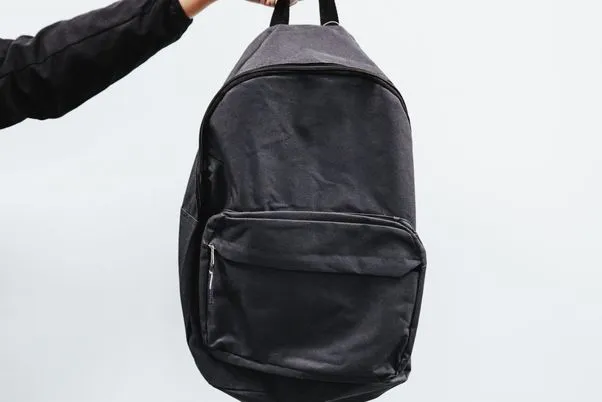
Keep Bin Bags In Your Hiking Backpack
A folded bin bag weighs nothing and turns every walk into an opportunity you didn't have to plan for.
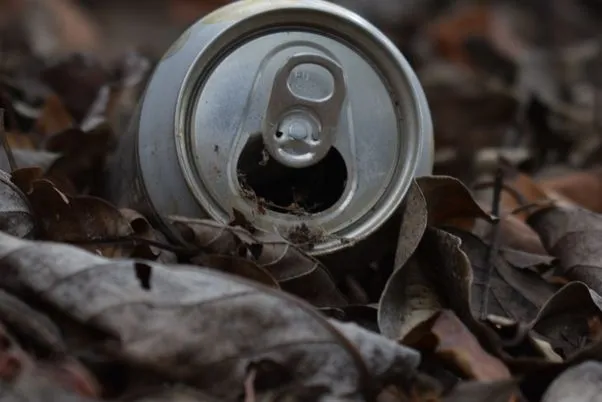
Pick Up Litter While You Hike
Same walk, same route, same company - except you come back down with a bag of other people's rubbish.
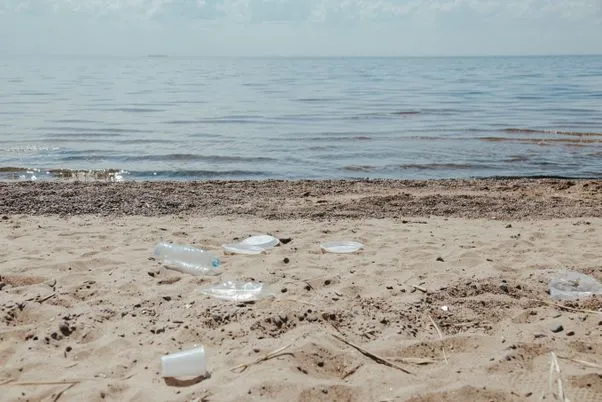
Take Bin Bags To The Beach Or River
You're going to the water anyway - come back with a bag full and stop it reaching the sea.